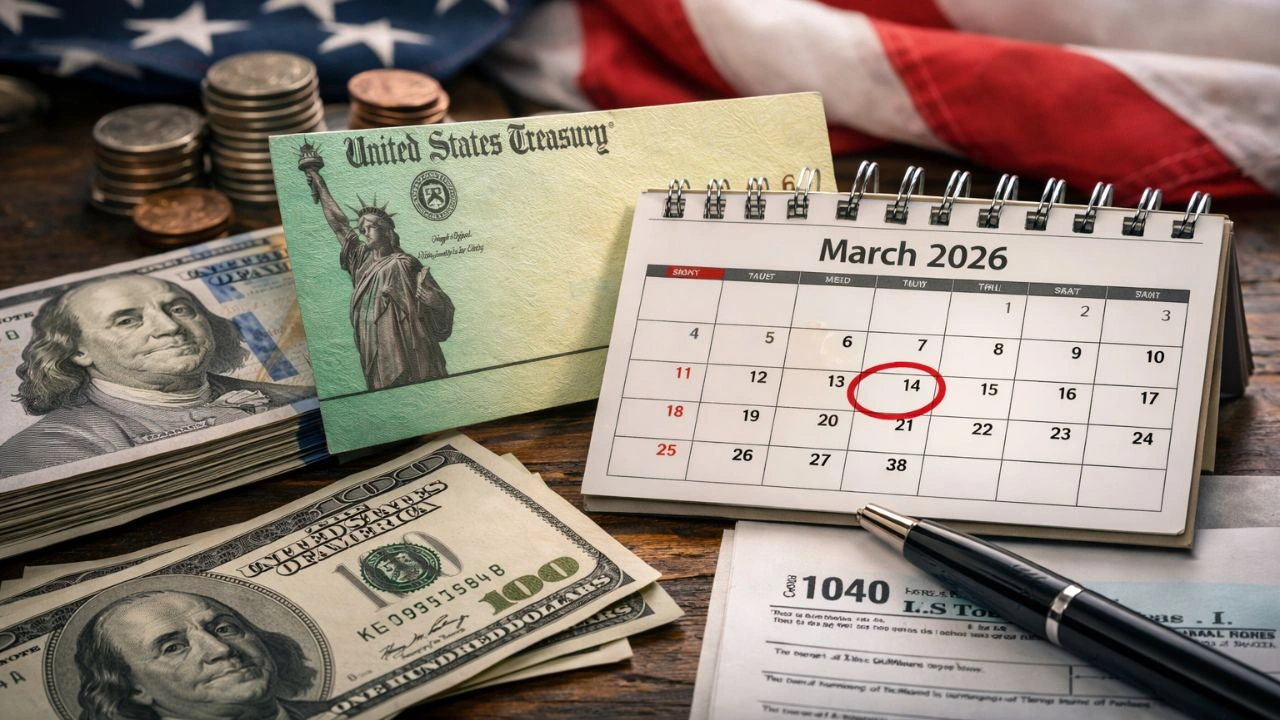
As March 2026 approaches, anticipation is building around the $1,130 stimulus payments set to provide financial relief to eligible individuals. With a keen interest in understanding the eligibility rules and payment schedule, many are preparing their tax returns to ensure they qualify. This article will guide you through the essential information needed to navigate this financial aid effectively, ensuring that you are fully prepared to receive your payment.
Understanding Eligibility Criteria
The eligibility criteria for the $1,130 stimulus payments are designed to target individuals who require financial assistance most. To qualify, one must meet specific income thresholds that have been set by the government. Primarily, these payments aim to support low- and middle-income earners whose annual earnings do not exceed a particular limit. While the exact income cap is subject to change based on the latest economic data and policy decisions, it generally reflects an effort to prioritize those most in need.
Moreover, being a resident taxpayer of the United States is a fundamental requirement. Non-residents or those who have not filed their tax returns for previous years might face challenges in qualifying for this stimulus package. Additionally, there may be specific provisions for dependents and joint filers, which could affect how much a household receives in total.

Preparing Your Tax Returns
Filing accurate and timely tax returns is crucial in ensuring eligibility for the stimulus payments. For those aiming to receive their payments without delays, having your 2025 tax return filed by March 21, 2026, is advisable. This document provides the necessary proof of income and residency status required by government agencies responsible for disbursing these funds.
To streamline this process, it’s beneficial to gather all relevant financial documents early. W-2 forms from employers, 1099 forms for any other income sources, and previous year’s tax returns should be carefully reviewed and included where necessary. Utilizing tax preparation software or consulting with a certified public accountant can also be advantageous in avoiding errors that could potentially delay your stimulus payment.
The Payment Schedule
Once your eligibility has been determined and your tax return successfully filed, understanding the payment schedule becomes vital. The distribution of the $1,130 stimulus payments will occur in phases throughout March 2026. Payments are typically prioritized based on factors such as income level and filing date of tax returns.

For those who opted for direct deposit when filing their taxes, payments will likely be received more promptly compared to those expecting paper checks delivered via mail. Direct deposit offers a faster and more secure method of receiving funds directly into your bank account. It’s recommended that individuals ensure their banking details are correctly updated with the IRS to avoid any potential mishaps.
Maximizing Your Stimulus Payment
Understanding how best to utilize this financial aid can make a significant difference in personal financial management during challenging times. Whether it’s paying down debt, covering essential expenses like housing or healthcare costs, or investing in savings or retirement accounts, planning ahead for how you’ll use your stimulus money can enhance its impact.
Financial advisors often suggest creating a budget plan before receiving such windfalls to ensure funds are allocated wisely according to personal priorities and needs. Additionally, if possible, integrating these funds into long-term financial goals rather than addressing only immediate needs can offer greater security and peace of mind moving forward.

Staying Informed About Policy Changes
Stimulus packages are often subject to adjustments based on economic conditions and legislative decisions. Keeping abreast of any changes that could affect your eligibility or payment amounts is crucial in navigating these processes smoothly. Subscribing to updates from reliable news sources or directly from government announcements ensures you remain informed about any developments that could impact you.
By staying proactive about understanding policy shifts and their implications on your financial situation, you can better prepare for not only receiving these funds but also making strategic decisions regarding their utilization.
Disclaimer: The information provided in this article is intended for general informational purposes only and should not be considered as professional financial advice. Eligibility rules and payment schedules may vary based on individual circumstances and legislative changes; therefore, it is advisable to consult with a qualified professional or refer directly to official sources for guidance specific to your situation.