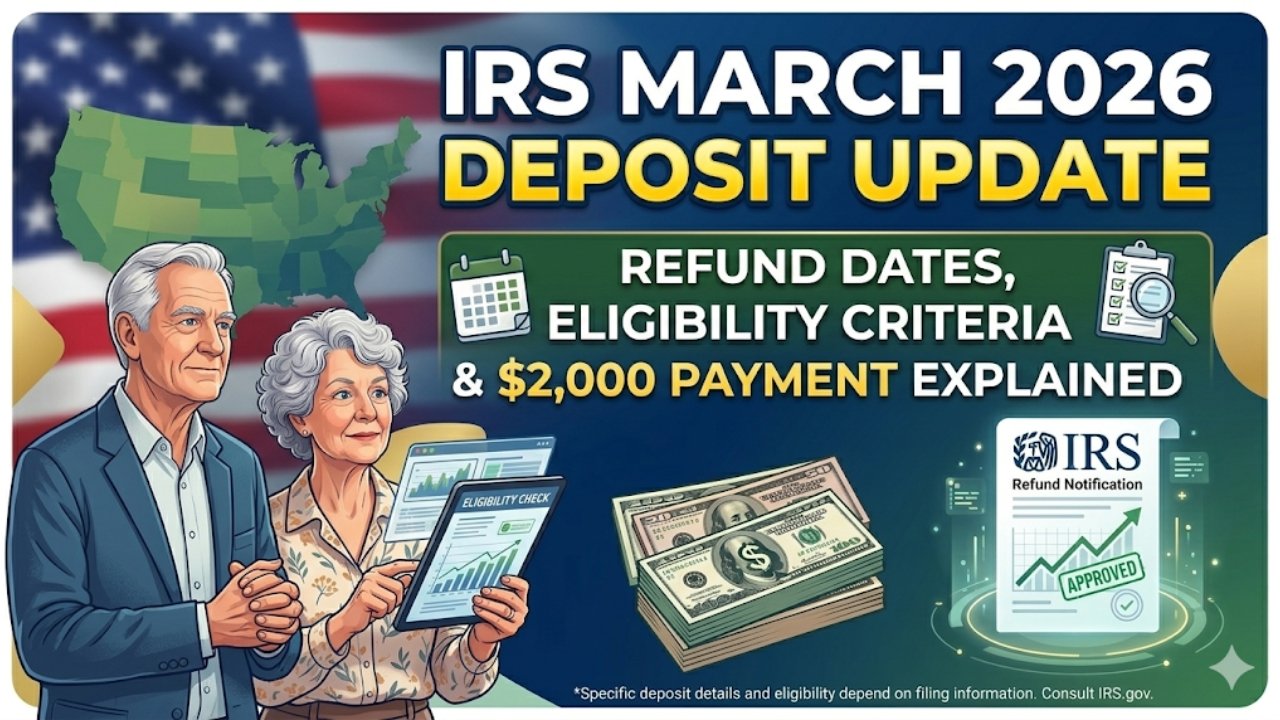
In a recent announcement, the Internal Revenue Service (IRS) confirmed that the tax refunds for the year 2026 will begin processing in March. Taxpayers eager to receive their refunds promptly should consider using electronic filing and direct deposit options to ensure a quicker turnaround. As millions of Americans prepare for another tax season, understanding the nuances of this new schedule and optimizing the filing process becomes crucial.
Understanding the 2026 Tax Season Timeline
The IRS's decision to initiate tax refund processing in March of 2026 marks a significant point in the annual tax calendar. Historically, taxpayers could expect their refunds to start arriving earlier in the year, often around late January or early February. However, shifting this timeline to March allows for extended preparation time and potentially aids the IRS in managing resources more effectively during peak periods. This change aims not only to streamline operations but also to alleviate some of the administrative burdens traditionally experienced during tax season's busiest months.
The Advantages of E-Filing
With technology playing an increasingly vital role in everyday tasks, the IRS's push towards e-filing is both timely and strategic. E-filing provides taxpayers with a faster, more efficient way to submit their returns compared to traditional paper filing methods. By opting for e-filing, individuals can reduce errors on their returns thanks to built-in accuracy checks provided by most tax software programs. These digital platforms guide users through complex tax codes and exemptions, helping ensure that all necessary information is accurately reported. Furthermore, electronic submission significantly cuts down on processing time, allowing refunds to be issued quicker than their paper-based counterparts.

Direct Deposit: The Fast Track to Your Refund
Direct deposit remains one of the fastest ways to receive your tax refund once it has been processed by the IRS. This method eliminates delays associated with mailing physical checks and mitigates risks related to lost or stolen mail. By providing your bank account details along with your e-filed return, you can benefit from near-instantaneous transfer of funds directly into your account as soon as they are available. Not only does direct deposit speed up the refund process, but it also offers greater flexibility for taxpayers who may want to allocate portions of their refund across multiple accounts or financial goals seamlessly.
Preparing for Tax Season: Tips for Success
As taxpayers gear up for another round of filings in 2026, preparation is key to ensuring a smooth experience. Starting early is advisable; gathering necessary documents such as W-2s, 1099s, and receipts for deductible expenses can prevent last-minute scrambles and reduce stress levels significantly. Additionally, staying informed about changes in tax laws or updates from the IRS can help individuals maximize their potential refunds and avoid common pitfalls that lead to delays or audits. Consider consulting with a certified tax professional if navigating complex financial situations or significant life changes like home sales or inheritances which could impact taxable income.
Potential Challenges and Solutions
While e-filing and direct deposit offer numerous advantages, some challenges may arise during the process that taxpayers should be prepared to tackle efficiently. Common issues include navigating software bugs or encountering difficulties with identity verification processes required by online platforms. Ensuring your personal information is up-to-date with both your bank and previous year’s tax records can help minimize these complications. Additionally, taxpayers should be wary of phishing scams disguised as IRS communications; always verify any requests for sensitive information through official IRS channels before responding.

Looking ahead at the 2026 tax season's unique timeline provides an opportunity for taxpayers to optimize how they manage their obligations efficiently while taking advantage of modern conveniences like e-filing and direct deposit. With careful planning and awareness of potential pitfalls, individuals can navigate this adjusted schedule smoothly and enjoy expedited access to their well-earned refunds.
Disclaimer: The information provided here is meant for general educational purposes only and should not be considered professional financial advice. Always consult with a qualified financial advisor or tax professional regarding specific concerns or questions related to your personal financial situation.