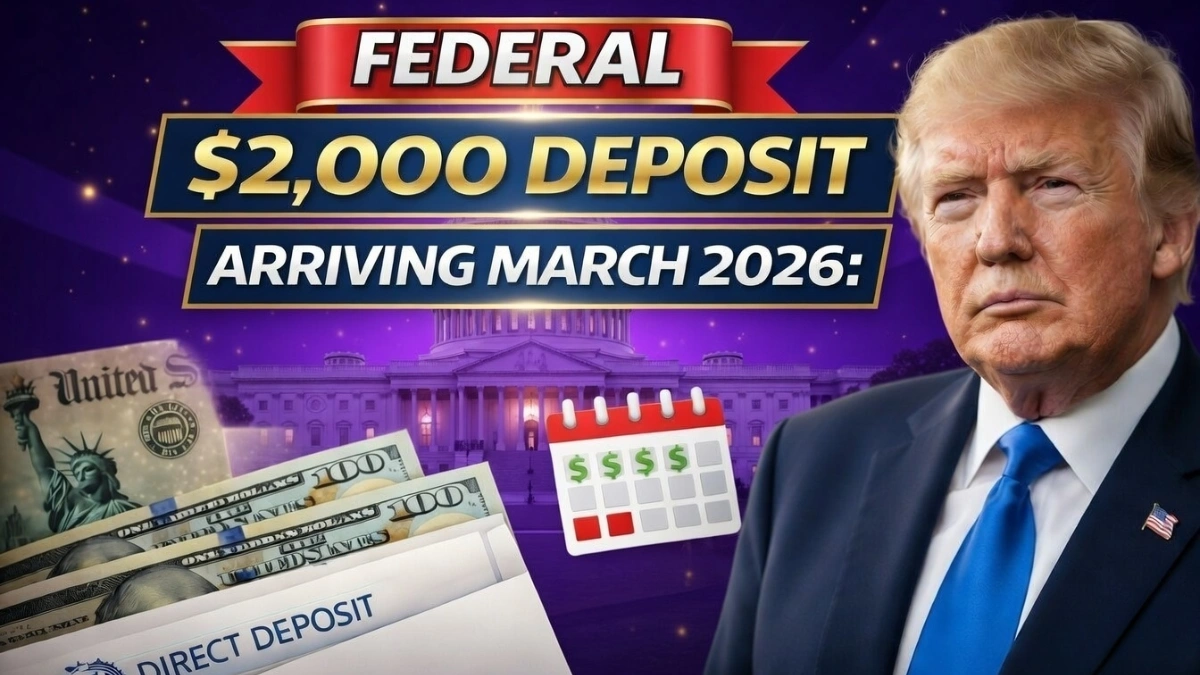
In recent weeks, whispers of a $2,000 federal deposit have captured the attention of taxpayers across the United States, generating a mix of hope and skepticism. As tax season approaches, many are eagerly awaiting their refunds expected in March 2026, while also sifting through the noise to discern truth from speculation. Understanding the details behind this rumored deposit and being well-versed in eligibility criteria and optimal filing timing can make all the difference in maximizing your tax returns.
The $2,000 Federal Deposit Rumor
The buzz surrounding a $2,000 federal deposit has piqued widespread interest among taxpayers. This rumor suggests that a one-time government payment is on the horizon, purportedly aimed at offering relief amidst economic uncertainties. While this prospect seems alluring, it is crucial to approach such claims with caution. Historically, government relief efforts have been announced officially via credible channels such as the IRS or Treasury Department. As of now, there have been no official declarations corroborating these rumors. Taxpayers should remain alert for updates from legitimate sources to avoid misinformation and potential scams that often accompany such unverified claims.
Navigating Tax Refund Expectations for March 2026
Anticipation is high for the tax refunds slated for distribution in March 2026. To ensure that you receive your refund without delay, it is essential to comprehend the process and timelines involved. Typically, after filing your tax return electronically with direct deposit as your preferred method of payment, you can expect to see your refund within three weeks. Filing early not only expedites receipt but also reduces the risk of encountering delays or complications due to high volumes as the deadline approaches.

The IRS has consistently encouraged taxpayers to file electronically and choose direct deposit for faster processing. By adhering to these guidelines and avoiding common pitfalls like errors in filing or discrepancies in reported income, you can position yourself for a seamless refund experience.
Understanding Eligibility Criteria
Eligibility for tax refunds is determined by several factors including income level, filing status, and specific deductions or credits you qualify for during the fiscal year. For those who are unsure about their eligibility concerning potential future deposits or refunds, consulting with a tax professional can provide clarity. Key factors influencing eligibility include meeting income thresholds for various credits such as the Earned Income Tax Credit (EITC) or Child Tax Credit (CTC), both of which significantly impact refund amounts.
Additionally, remaining informed about any changes in tax law that could affect your eligibility is crucial. With each new tax year potentially bringing legislative adjustments, staying updated ensures that you capitalize on all available credits and deductions.

Timing Your Tax Filing for Maximum Returns
Timing plays a critical role in optimizing your tax returns. Filing early not only ensures quicker access to any refunds but also minimizes stress related to last-minute preparations and potential errors that come with rushed submissions. By organizing your documentation—such as W-2 forms, 1099s, and any receipts relevant to deductions—well before deadlines approach, you position yourself for an efficient filing process.
Moreover, early filing aids in safeguarding against identity theft—a growing concern during tax season—as it limits opportunities for fraudulent activities involving your Social Security number or other sensitive information. Finally, by planning ahead and considering any life changes over the past year that may affect your taxes—such as marriage, having children, or significant financial shifts—you can adjust your strategy accordingly to optimize benefits.
Preparing for Future Financial Policies
While the current buzz around a hypothetical $2,000 federal deposit remains speculative without official backing, preparing proactively can still be beneficial in managing personal finances effectively under any circumstance. Staying informed about potential policy changes allows individuals to anticipate impacts on their financial standing and plan accordingly.

Investing time into understanding broader economic policies and proposed legislative shifts provides valuable foresight into how future financial decisions might align with national economic strategies. Being proactive not only shields individuals from unexpected fiscal surprises but also equips them with knowledge to advocate effectively for policies that align with their financial goals.
Disclaimer: This article provides general information about current rumors and aspects of anticipated tax refunds but does not constitute professional financial advice. For personalized guidance regarding taxes or eligibility criteria specific to individual circumstances, consulting with a certified tax professional is recommended.