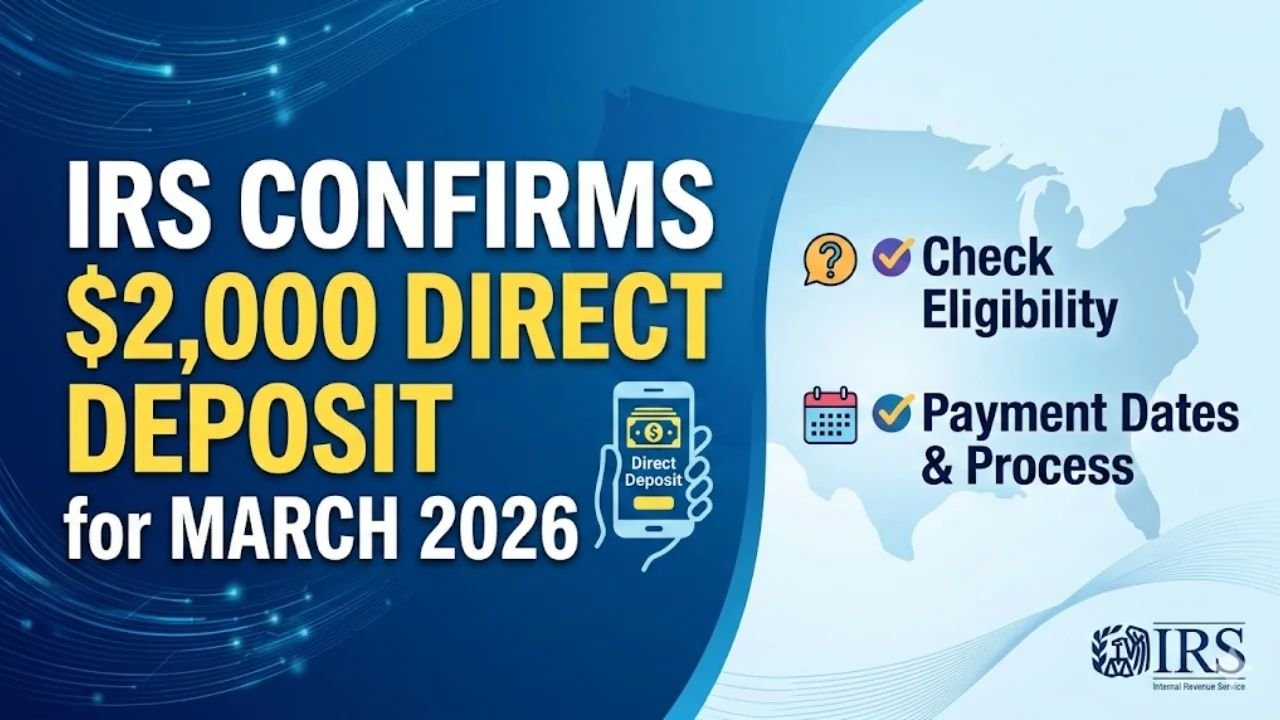
In an exciting update for taxpayers across the United States, the IRS has announced that eligible Americans could receive a $2,000 refund in March 2026. This development stems from a combination of tax credits and proper withholdings, providing a financial boost to those who qualify. With this significant refund on the horizon, it is essential for taxpayers to understand their eligibility and the necessary steps to ensure they receive these funds.
Understanding Eligibility Criteria
The potential for a $2,000 refund primarily hinges on a taxpayer’s eligibility for certain tax credits and their adherence to adequate withholding guidelines throughout the year. To be considered eligible, individuals must meet specific criteria set forth by the IRS. These may include income thresholds, filing status, and other pertinent factors that influence a taxpayer’s overall liability. Taxpayers are encouraged to thoroughly review IRS resources to verify their eligibility well ahead of the 2026 tax season. Understanding one’s qualifications can help maximize potential refunds and ensure compliance with IRS regulations.
The Role of Tax Credits
Tax credits play a crucial role in determining the size of an individual’s refund. Unlike deductions, which reduce taxable income, tax credits directly lower the amount of tax owed dollar for dollar. Various credits are available, each with unique qualifications and benefits. Common examples include the Earned Income Tax Credit (EITC), Child Tax Credit (CTC), and education-related credits such as the American Opportunity Credit. These credits target specific groups and aim to alleviate financial burdens by reducing tax liabilities or increasing refunds for eligible taxpayers.

Importance of Proper Withholding
To take full advantage of potential refunds, proper withholding practices throughout the year are imperative. Withholding refers to the amount of income that is automatically deducted from an employee’s paycheck for tax purposes. Striking the right balance is key—if too little is withheld, individuals may face an unexpected tax bill; if too much is withheld, they might lose access to funds they could use throughout the year. To optimize withholding amounts, taxpayers should routinely evaluate their W-4 forms in response to life changes such as marriage, having children, or starting a new job.
Steps to Prepare for March 2026
With March 23, 2026 looming as the anticipated date for these refunds, proactive planning is essential. Taxpayers should begin by gathering all relevant financial documents from previous years and reviewing them in conjunction with current tax guidance from trusted sources like IRS publications or professional advisors. Understanding past filings can reveal patterns that may affect future returns and highlight areas where adjustments might be beneficial. Additionally, taxpayers should consider scheduling consultations with certified tax professionals who can provide personalized advice tailored to individual circumstances.
Using IRS Resources Wisely
The IRS provides a wealth of resources designed to assist taxpayers in navigating complex processes related to filing taxes and understanding entitlements like refunds and credits. From online tools such as the IRS Withholding Calculator to publications detailing specific credits or deductions, these resources are invaluable aids in ensuring accurate filings and maximizing eligible returns. Staying informed about any legislative changes that could impact refund eligibility or amounts is also crucial since tax laws can evolve yearly.

Disclaimer: This article aims to provide general information regarding potential IRS refunds and should not be interpreted as personalized financial advice. Eligibility requirements may vary based on individual circumstances; therefore, consulting with a qualified tax advisor is recommended for specific guidance tailored to your situation. Always refer directly to official IRS publications or consult their website for authoritative information regarding taxes and potential refunds.