If you’ve recently received a CP53E notice from the IRS, you may be wondering why your tax refund has been frozen for 30 days. This unsettling development typically occurs when there has been an issue with the direct deposit of your refund. Understanding the reasons behind this freeze and knowing how to navigate the process of releasing your funds online can help alleviate some of the stress associated with this situation.
Understanding the CP53E Notice
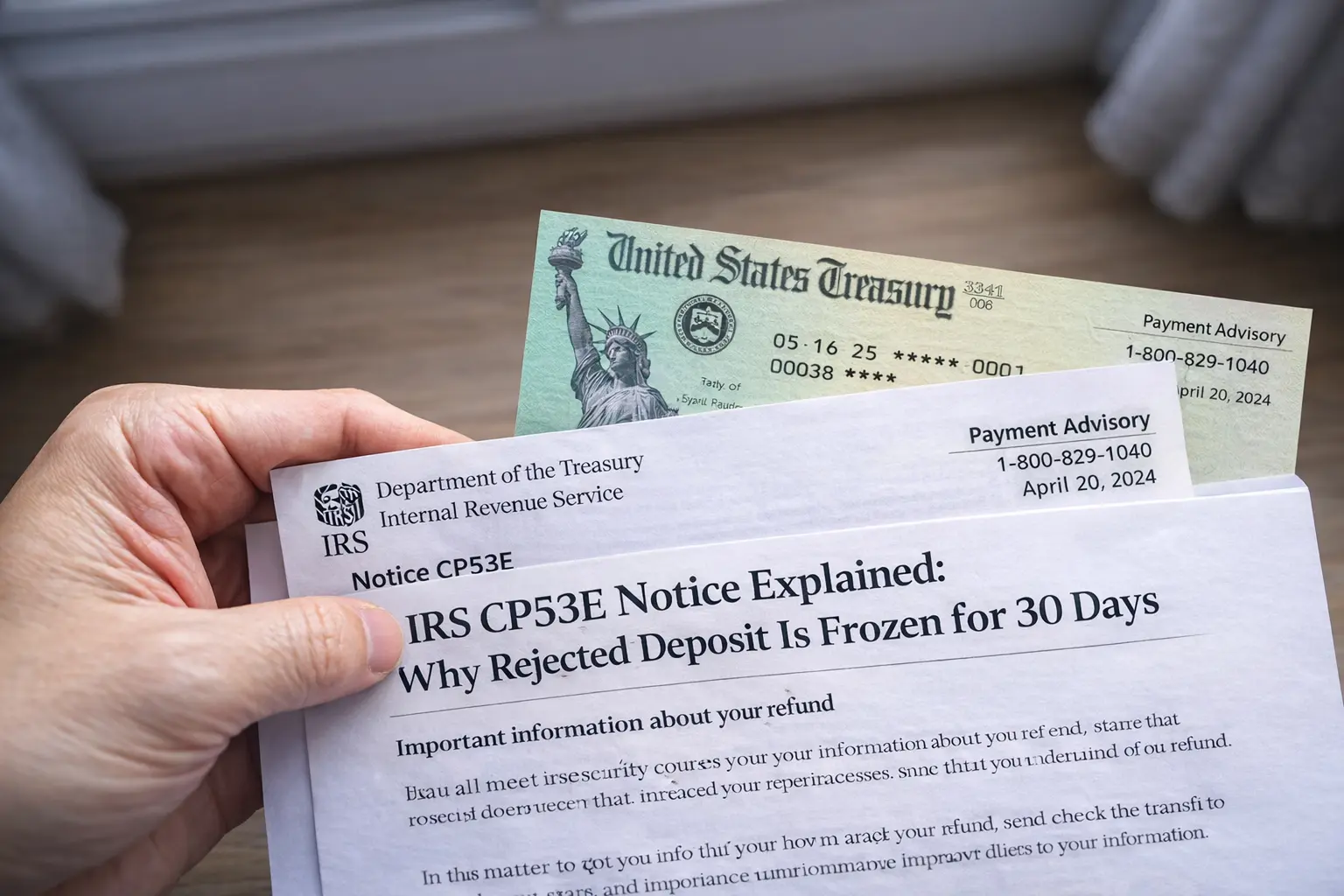
The IRS issues a CP53E notice when there is a problem with depositing your tax refund directly into your bank account. Generally, this occurs if the financial institution rejects the deposit due to discrepancies in account details or if the account is no longer active. The CP53E notice serves as a formal notification from the IRS that your refund is temporarily on hold for 30 days while they investigate and resolve these issues. During this period, they will assess the situation to ensure that the refund reaches the correct recipient and account.
Reasons for Rejected Deposits
There are several reasons why a direct deposit might be rejected, leading to a CP53E notice. One common issue is providing incorrect bank account information on your tax return. Even minor errors in routing or account numbers can result in rejection by your bank. Another reason could be that the bank account has been closed or is no longer active at the time of deposit, leading to a rejection from the financial institution. It’s also possible that there are mismatches between the name on your tax return and the name registered with your bank, causing further complications in processing your refund.

Steps to Release Your Refund
If you’ve received a CP53E notice, it’s crucial to take prompt action to rectify any issues and expedite the release of your refund. First, review all information related to your bank account and tax filing to identify any discrepancies that could have caused the rejection. Once identified, you can update this information either through an amended tax return or by contacting both your financial institution and the IRS directly for guidance on next steps. It’s important to follow instructions carefully as outlined in your CP53E notice to avoid further delays.
To release your funds online, visit the IRS’s official website and access their ‘Where’s My Refund?’ tool. This tool provides up-to-date information about your refund status and will guide you through any additional steps necessary to resolve issues related to rejected deposits. Ensuring that you have up-to-date personal identification documents ready will help streamline this process.
Preventing Future Issues
While receiving a CP53E notice can be frustrating, taking proactive steps can prevent similar situations in future tax seasons. Double-check all personal and financial details before submitting your tax return each year. Ensure that routing and account numbers are accurate and up-to-date with both your financial institution and on any documentation provided during filing. Additionally, maintain an active line of communication with both your bank and the IRS should any discrepancies arise during processing periods.

Consider setting up alerts with your bank for any unusual activity or changes that could affect direct deposits into your accounts. Staying informed about updates in banking policies or changes within IRS processes will also help you manage expectations around refunds effectively.
Conclusion
Receiving a CP53E notice from the IRS indicates that there was an issue processing your tax refund via direct deposit, resulting in a temporary freeze while resolution processes are undertaken. By understanding common causes such as incorrect banking information or inactive accounts, you can take swift corrective actions using resources like ‘Where’s My Refund?’ on their website. Moreover, implementing preventive measures can safeguard against future disruptions in receiving refunds efficiently.
Disclaimer: This article provides general information regarding CP53E notices and should not be considered as financial advice tailored to individual circumstances. For specific guidance regarding taxation matters or resolving issues related directly to IRS notices, consult a professional advisor or contact relevant authorities directly.