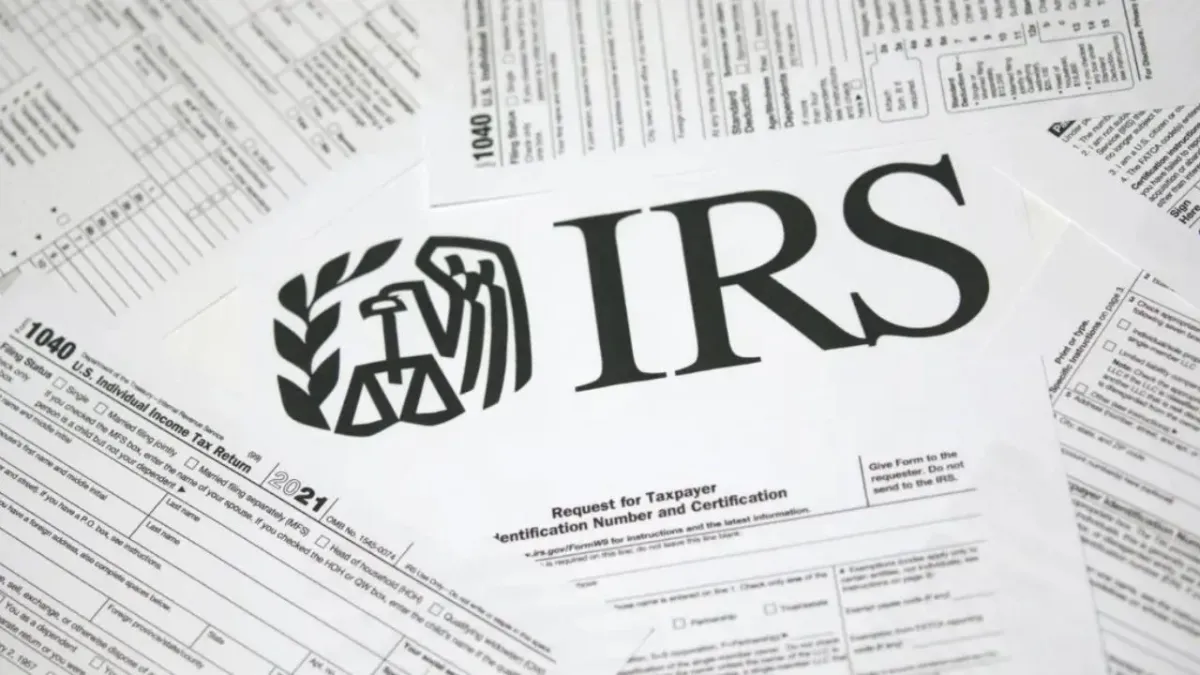
As the 2026 tax season unfolds, millions of taxpayers are facing unexpected delays in receiving their refunds. The Internal Revenue Service (IRS) has implemented stricter verification procedures that promise to ensure accuracy and security but come at the cost of slowing down the refund process for many. For those eagerly awaiting their tax refunds, understanding these new procedures can provide clarity on why their expected payments might be taking longer than usual.
Understanding the New Verification Procedures
In an effort to curb fraudulent activities and errors, the IRS has rolled out enhanced verification protocols this year. These procedures require more detailed checks on taxpayer information before processing refunds. This includes cross-referencing data with multiple federal databases to verify identities and income claims thoroughly. While this means a tighter grip on fraud prevention, it also signifies that each return undergoes more scrutiny than in previous years. Consequently, the additional layers of verification extend the time it takes for legitimate refunds to be approved and issued.
Taxpayers need to be aware that these changes are not arbitrary but a part of a broader strategy by the IRS to protect taxpayers’ identities and ensure that refunds are only distributed to rightful claimants. By implementing these measures, the IRS aims to minimize identity theft incidents and fraudulent refund claims, which have been significant challenges in past years.

Impact on Taxpayers
The ripple effect of these stricter procedures is being felt by millions across the United States, with many experiencing delays beyond the typical refund timeline. Traditionally, taxpayers could expect their refunds within a few weeks if they filed electronically and opted for direct deposit. However, under the current regime, even straightforward returns might face prolonged processing times as they undergo additional verification steps.
For individuals relying on timely refunds to manage personal budgets or cover critical expenses, these delays can create financial strain. The IRS advises taxpayers to file as early as possible to mitigate these impacts and recommends direct deposit as the fastest way to receive funds once a return is processed. Nonetheless, even those who follow these best practices may not avoid delays entirely due to the systemic changes in place.
What Taxpayers Can Do
While waiting for a refund can be frustrating, there are proactive steps taxpayers can take to navigate this new landscape effectively. First and foremost, ensuring all information provided in tax returns is accurate is crucial. Errors or discrepancies in reported data could trigger further checks or even audits, compounding any delay issues.

Additionally, utilizing online tools like the IRS’s “Where’s My Refund?” tracker can offer some peace of mind by providing updates on where your return stands in the process. Staying informed through official IRS channels will help manage expectations and reduce anxiety while awaiting your refund.
Another important consideration is keeping up-to-date with any communications from the IRS regarding your return. If further information or clarification is needed from you during their review process, prompt responses will help expedite resolution.
Looking Ahead: Future Implications
As we move forward into future tax seasons, it’s possible that these stringent measures might become a standard practice rather than an exception due to their benefits in fraud prevention and increased accuracy in processing returns. Taxpayers should prepare for potential continuation or even enhancements of such procedures by ensuring they maintain thorough records and accurate filings each year.

These changes could also drive more individuals towards seeking professional tax assistance. Tax experts can offer guidance on how best to comply with new requirements while maximizing potential deductions and credits within legal guidelines. As navigating complex tax regulations becomes more intricate, professional advice may prove invaluable in optimizing one’s financial outcomes during tax season.
Disclaimer: This article provides general information only and should not be considered legal or financial advice. Always consult with a qualified professional for specific guidance tailored to your situation regarding tax matters.